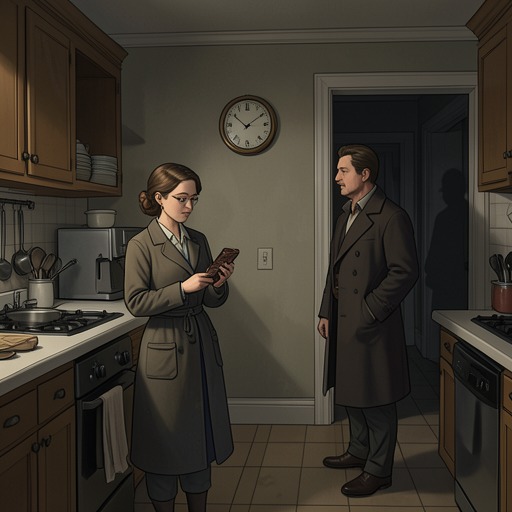
Poisoned fig sandwiches
Partners in CrimePoisoned fig sandwiches are the suspected cause of the fatal poisoning outbreak at Thurnly Grange, where an apparently familiar tea-table food becomes the centre of an urgent investigation. The sandwiches matter not simply as a reported source of illness but as a problem of timing and access: the parlormaid ate one after tea, yet Dennis Radclyffe was said to have returned only after the sandwiches had been cleared away. The contrast turns an ordinary household item into the unresolved link between the victims and the outbreak.
The Reported Outbreak
The first account reaches Tommy Beresford and Tuppence Beresford through newspaper headlines identifying a mysterious poisoning case and deaths from fig sandwiches. The report locates the outbreak at Thurnly Grange and names two people who have died: Lois Hargreaves, the owner of the house, and Esther Quant, the parlormaid. Captain Radclyffe and Miss Logan are reported seriously ill. At this early stage, the cause is only presumed to be fig paste in sandwiches; the newspaper points to Miss Chilcott’s good health as a contrast, since she had not eaten any.
The news makes the sandwiches more than a detail in a meal. Tommy immediately wants to go to the house, especially because he has just failed to visit the previous day; Tuppence counters that he might then have eaten the same food and shared the victims’ fate. Their exchange establishes the danger attached to the suspected item while preserving the distinction between a reported explanation and a proven one. The sandwiches are implicated, but the circumstances of each person’s exposure still require investigation.
An Ordinary Ingredient Under Suspicion
At Thurnly Grange, Miss Chilcott says the fig paste is a special kind that comes from London and is used regularly. No one had suspected that this particular pot was different from the others. Her account makes the familiar quality of the ingredient part of the puzzle: the household had a routine source and no apparent reason to single out this pot before the outbreak.
Miss Chilcott explains her own immunity by saying that she dislikes the flavour of figs and did not eat the sandwiches. She cannot account for Dennis Radclyffe’s illness, since she believes he was out at tea and supposes he must have picked up a sandwich after returning home. Her explanation is provisional, not a settled account of how he encountered the suspected food. The investigation must test it against the household’s timetable and the evidence of what was served and cleared away.
The Timing Problem
Tommy divides the inquiry: Tuppence is to question the housemaids while he goes to the kitchen. Their separate enquiries bring them back together half an hour later to compare results. Tommy reports that the sandwiches had been served at tea and that the parlormaid ate one. The timing supplies a direct explanation for Esther Quant’s poisoning, but leaves a sharper question about Dennis: the cook is certain he had not returned before tea was cleared away.
Tuppence supplies the missing sequence from a housemaid’s observation. Dennis came in at a quarter to seven, was seen from a window, and had a cocktail in the library before dinner. A glass from that drink was still being cleared away; Tuppence obtained it before it could be washed. Dennis complained of feeling ill afterward. These details complicate the assumption that he was poisoned by a sandwich: his recorded arrival comes after the tea service, and the evidence gathered from the house points instead to a later drink and its glass as matters for the inquiry. The precise connection between that evidence and the fig paste is not established in this account.
Narrative Function
The sandwiches serve as the outbreak’s initial, plausible explanation and as a test of that explanation’s limits. The newspaper groups the deaths and serious illnesses under the same suspected food, while the investigation distinguishes the parlormaid’s known exposure from Dennis Radclyffe’s uncertain one. The difference between the meal’s schedule and his arrival shifts attention from the broad report to particular objects and moments: the pot of paste, the cleared tea things, the cocktail, and the glass Tuppence retrieves.
Their significance therefore rests on an unresolved discrepancy rather than a complete solution. Fig paste is a regularly used ingredient, one pot is suspected, and those who did not eat the sandwiches provide a contrast; yet the evidence about Dennis refuses to fit neatly into the first account. The investigation’s movement from headline to household timetable shows how an ordinary food can become a compelling clue while remaining only part of the explanation.